
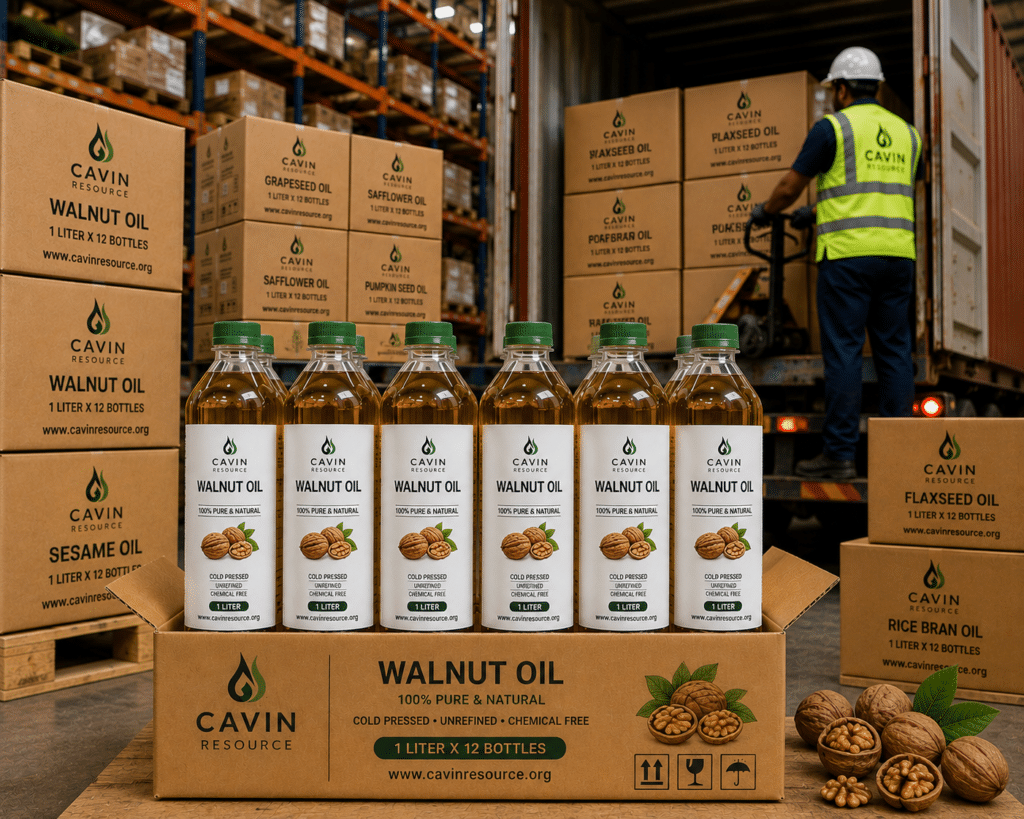
A Tree Nut Derivative Requires Tree Nut Diligence
Walnut oil is derived from a major tree nut allergen, and that fact drives labeling and handling obligations regardless of how the oil itself is processed. Manufacturers incorporating it into food products need to treat it with the same seriousness as any other tree-nut-derived ingredient.
Refining Doesn’t Eliminate Labeling Obligations
It’s a common misconception that highly refined oils are automatically exempt from allergen labeling because refining reduces residual protein content. Regulatory treatment of this varies by jurisdiction, and manufacturers should not assume refined walnut oil is exempt from allergen declaration without confirming the specific rules in their target market.
Cross-Contact Is a Facility-Level Concern
Beyond labeling the walnut oil itself, facilities using it need to consider cross-contact risk for other products made on shared lines or in shared spaces. This is a broader food-safety and allergen-management program question, not something that gets solved by the ingredient specification alone.
Documentation to Request From Suppliers
Suppliers should be able to confirm processing method, any shared-facility allergen risks on their end, and provide documentation supporting whatever allergen claims (or lack thereof) appear on the product specification.
Checklist Before Formulating
- Confirm your target market’s specific labeling requirements for refined tree nut oils
- Request supplier documentation on processing and shared-facility allergen risks
- Review your own facility’s cross-contact controls before introducing walnut oil to a new line
- Consult your regulatory/compliance team — this overview isn’t a substitute for jurisdiction-specific legal guidance
Contact our team for current walnut oil specifications and documentation.

