
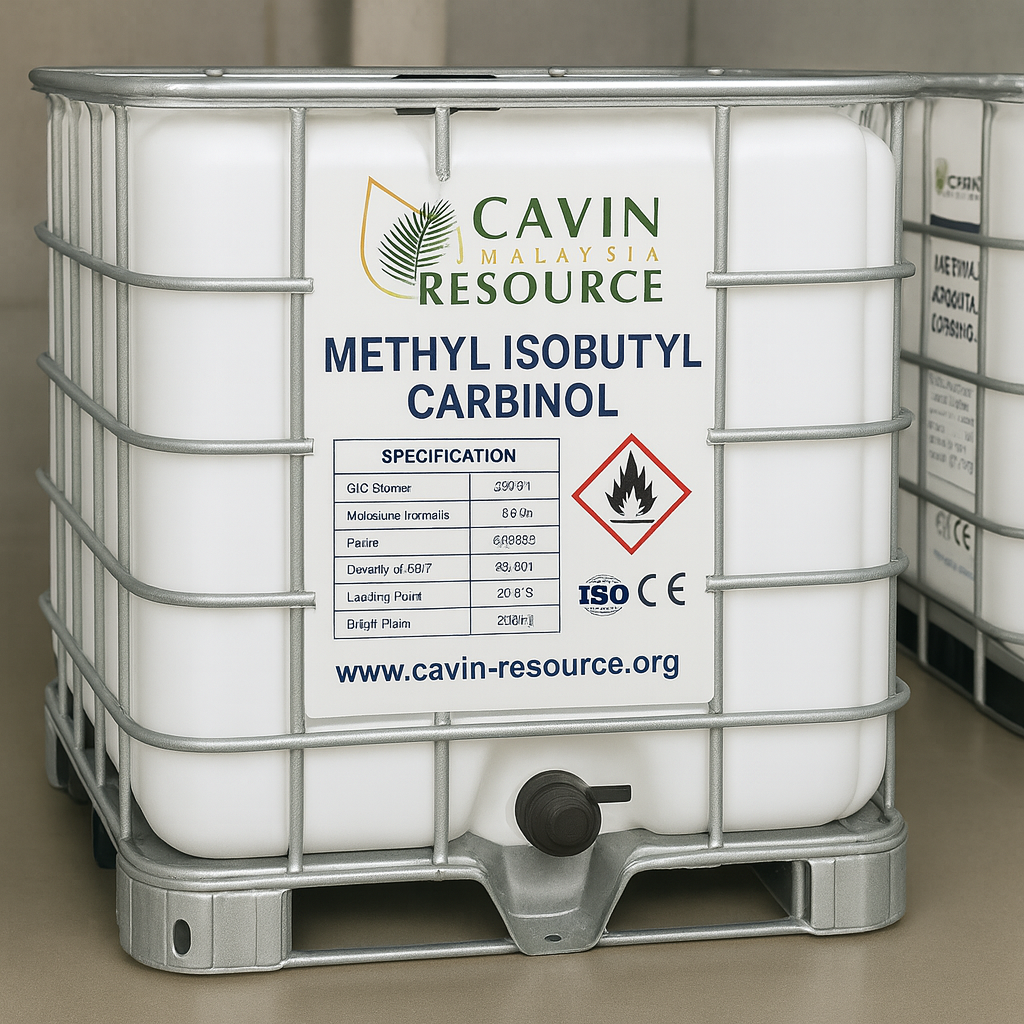
Purity Isn’t Just a Marketing Number
Methyl Isobutyl Carbinol (MIBC) is one of the most widely used frothers in mineral flotation, and purity specifications like 99.5% aren’t just a badge on a spec sheet — they directly affect how consistently the frother performs from batch to batch. Impurities can alter froth characteristics in ways that are hard to diagnose if you’re only looking at bulk dosage numbers.
What Impurities Can Do to Froth Behavior
Trace impurities in lower-purity MIBC can shift bubble size distribution or froth stability in subtle ways, sometimes requiring dosage adjustments just to compensate for batch variability rather than genuine process changes. High-purity MIBC reduces this variability, which matters more on tightly optimized circuits than on circuits with wide operating tolerances.
Reading a Certificate of Analysis
A COA for MIBC should specify actual measured purity (not just a nominal spec), along with relevant impurity profiles. If a supplier can’t provide a current, batch-specific COA, that’s worth treating as a red flag rather than a minor administrative gap.
When High Purity Is Worth Paying For
Not every operation needs the highest available purity grade — circuits with wide reagent tolerances and less rigorous optimization may not see a meaningful difference. Tightly controlled circuits chasing marginal grade or recovery gains are where purity consistency tends to pay for itself.
Sourcing Checklist
- Request a batch-specific COA, not just a generic product spec sheet
- Confirm packaging compatible with MIBC’s volatility and flammability
- Clarify MOQ and delivery lead times for consistent supply
- Ask about SDS and transport classification for your shipping route
Contact us for current MIBC availability, documentation and bulk pricing.

