
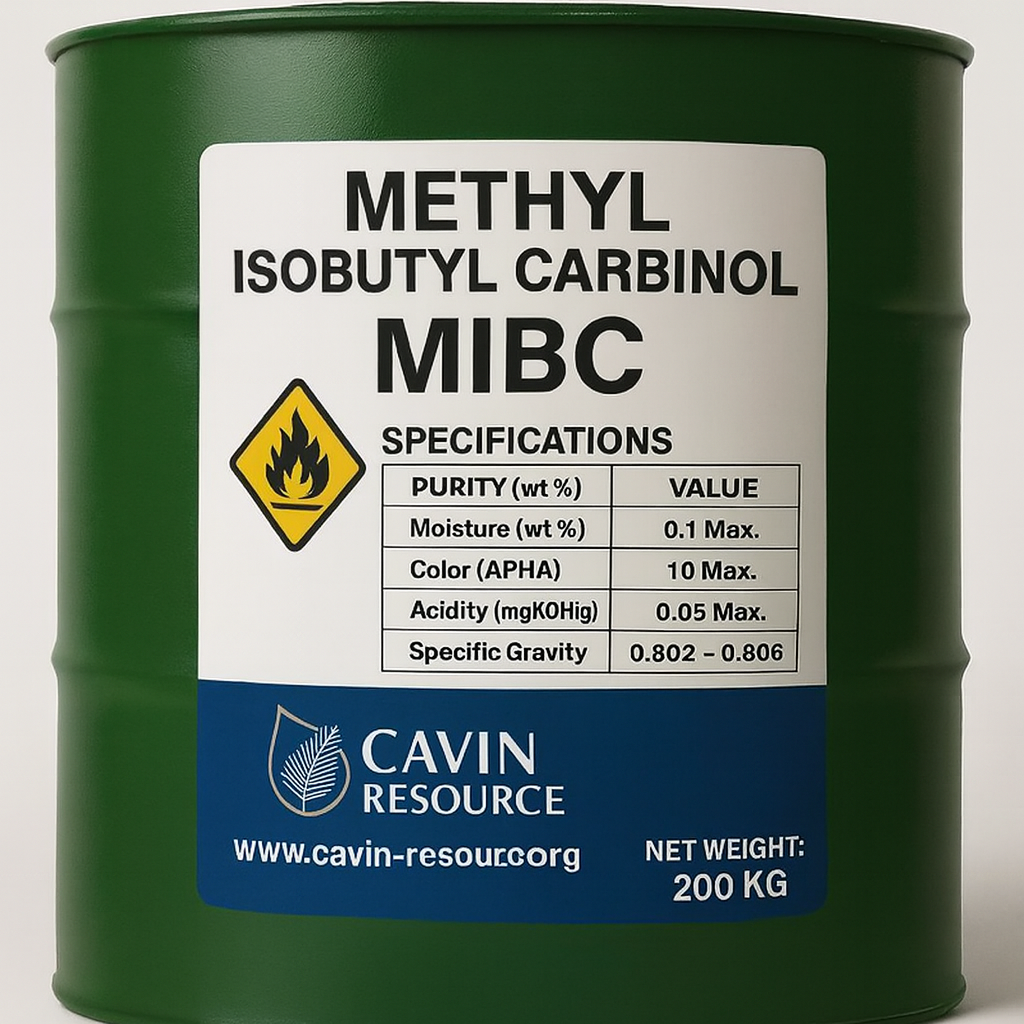
Why MIBC Remains a Default Choice
Among available frothers, MIBC has stayed a go-to option across many flotation operations because of its relatively predictable, moderate froth stability and manageable bubble size range. It’s rarely the exotic answer to a difficult flotation problem, but it’s a dependable baseline that many circuits are built and tuned around.
Where in the Circuit You Add It Matters
MIBC is volatile, which means addition point and mixing matter more than with less volatile reagents. Adding it too early relative to the flotation cells, or in a way that allows excessive evaporation before it reaches the pulp, wastes reagent and can produce inconsistent froth performance that’s easy to misattribute to other causes.
Reading the Froth as a Diagnostic Tool
Operators who spend time watching froth characteristics — bubble size, mobility, how quickly froth breaks down after collection — often catch dosing drift before it shows up in metallurgical accounting. MIBC dosage adjustments are frequently made based on this kind of visual feedback rather than waiting for lab assay results.
Common Troubleshooting Signs
Overly wet, unstable froth that collapses quickly often points to underdosing. Excessively dry, mineralized froth that’s hard to move across the cell can indicate overdosing or interaction with other reagents. Neither symptom is unique to MIBC, so ruling out collector and water-chemistry issues first avoids chasing the wrong variable.
Sourcing and Handling Notes
- Confirm packaging suited to MIBC’s flammability and volatility
- Request current SDS and transport documentation
- Clarify delivery lead times to avoid running short mid-campaign
- Ask about bulk pricing tiers matched to your consumption rate
Contact our team for MIBC availability, documentation and bulk pricing for your flotation circuit.

