
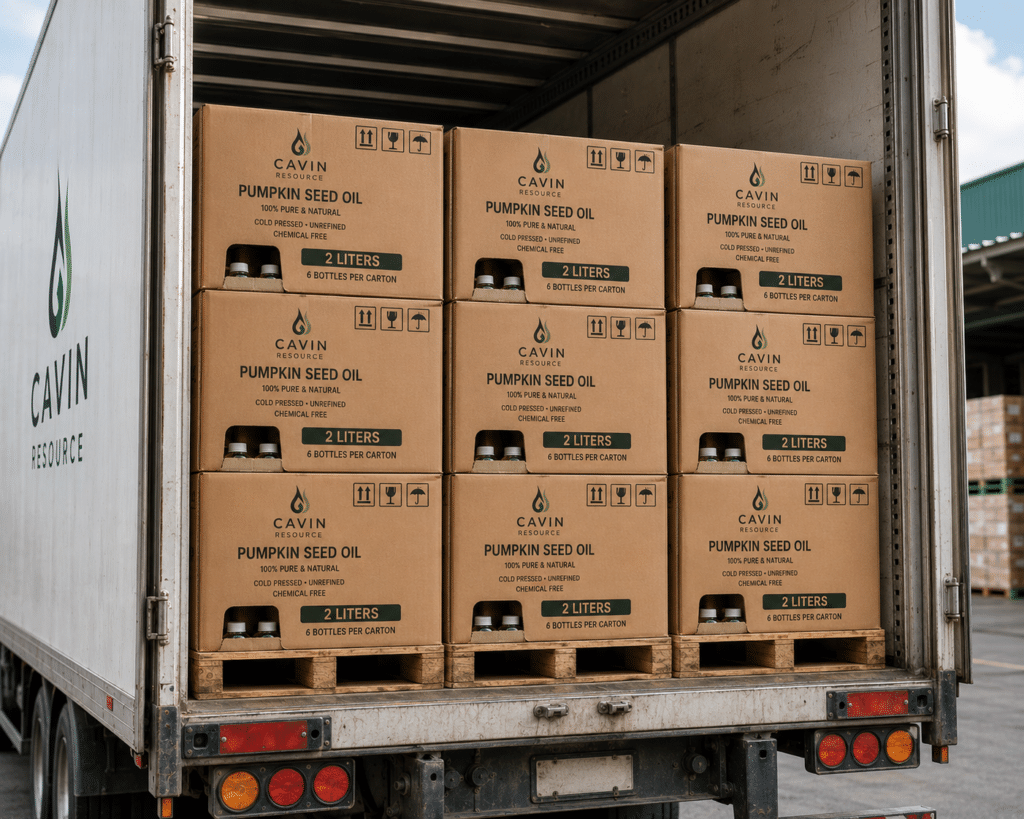
An Oil Defined by Its Roast
Pumpkin seed oil’s deep green-brown color and intensely nutty, roasted flavor come primarily from how the seeds are processed before pressing. This isn’t a neutral cooking oil by any stretch — it’s a flavor ingredient in its own right, closer to a finishing oil or condiment than an all-purpose kitchen staple.
Traditional Roots, Growing Global Interest
Long a staple in certain European culinary traditions, particularly Austrian and Central European cuisine, pumpkin seed oil has seen growing interest in international markets as a distinctive, traceable specialty ingredient.
Where It Works Best
Drizzled over salads, soups, or roasted vegetables, pumpkin seed oil’s assertive flavor typically works better as a finishing touch than as a cooking medium. Heat tends to diminish some of its more delicate aromatic qualities, so it’s rarely recommended for high-heat applications.
Color Variation and What It Signals
Buyers should expect some batch-to-batch color variation, which is normal for this product and generally reflects seed source and roasting variables rather than a quality defect. That said, significant or unexpected color shifts are worth raising with a supplier as a quality question.
Sourcing Considerations
- Request flavor and color samples before committing to bulk volumes
- Confirm roasting process and origin, both of which affect flavor intensity
- Ask about recommended storage conditions and shelf life
- Clarify packaging options suited to your order volume
Contact our team for current pumpkin seed oil availability, specifications and bulk pricing.

