
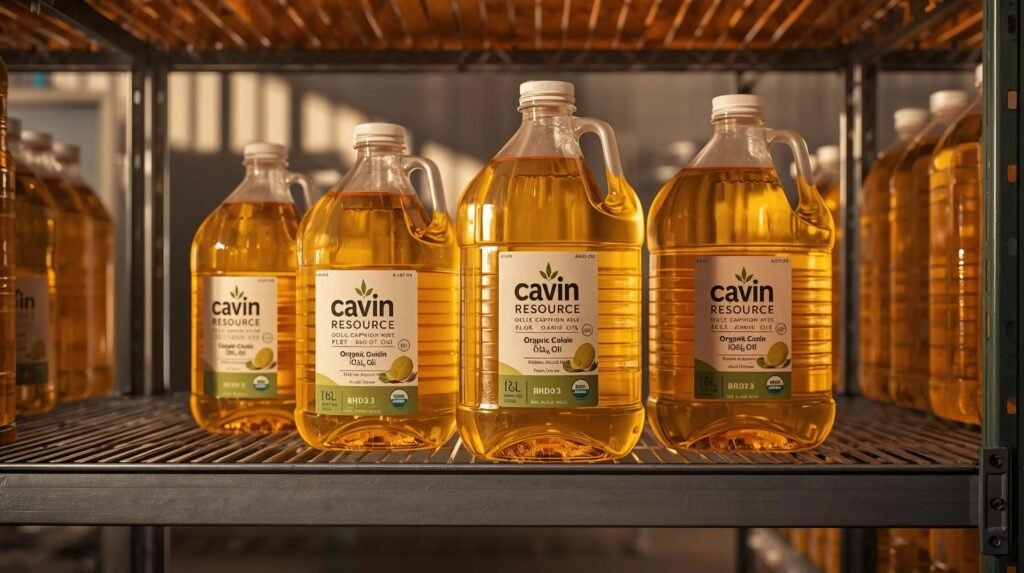
A Premium Segment With Specific Requirements
Organic canola oil sits in a smaller, more specialized segment of the broader canola oil market, governed by organic certification standards that cover everything from seed sourcing through processing, not just the absence of synthetic pesticides on the growing crop.
What Organic Certification Actually Covers
Recognized organic standards typically address farming practices, prohibited inputs, processing methods, and supply chain segregation to prevent comingling with conventional product. A genuine organic claim reflects compliance across this entire chain, not just one link in it.
Cold-Pressed vs Refined Organic Options
Organic canola oil is available in both cold-pressed and refined forms, offering the same general trade-off seen across other specialty oils: cold-pressed retains more flavor and natural character, while refined offers better heat stability and more neutral flavor.
Certification Documentation to Request
Buyers should request current organic certification documentation from a recognized certifying body relevant to their target market, along with supply chain traceability information demonstrating segregation from conventional product.
Sourcing Checklist
- Request current organic certification documentation, not just a supplier claim
- Confirm which organic standard (and certifying body) applies to your target market
- Clarify cold-pressed vs. refined processing based on your application needs
- Ask about lead times, which may be longer than conventional canola oil
Contact our team for current organic canola oil availability, certification documentation and bulk pricing.

