
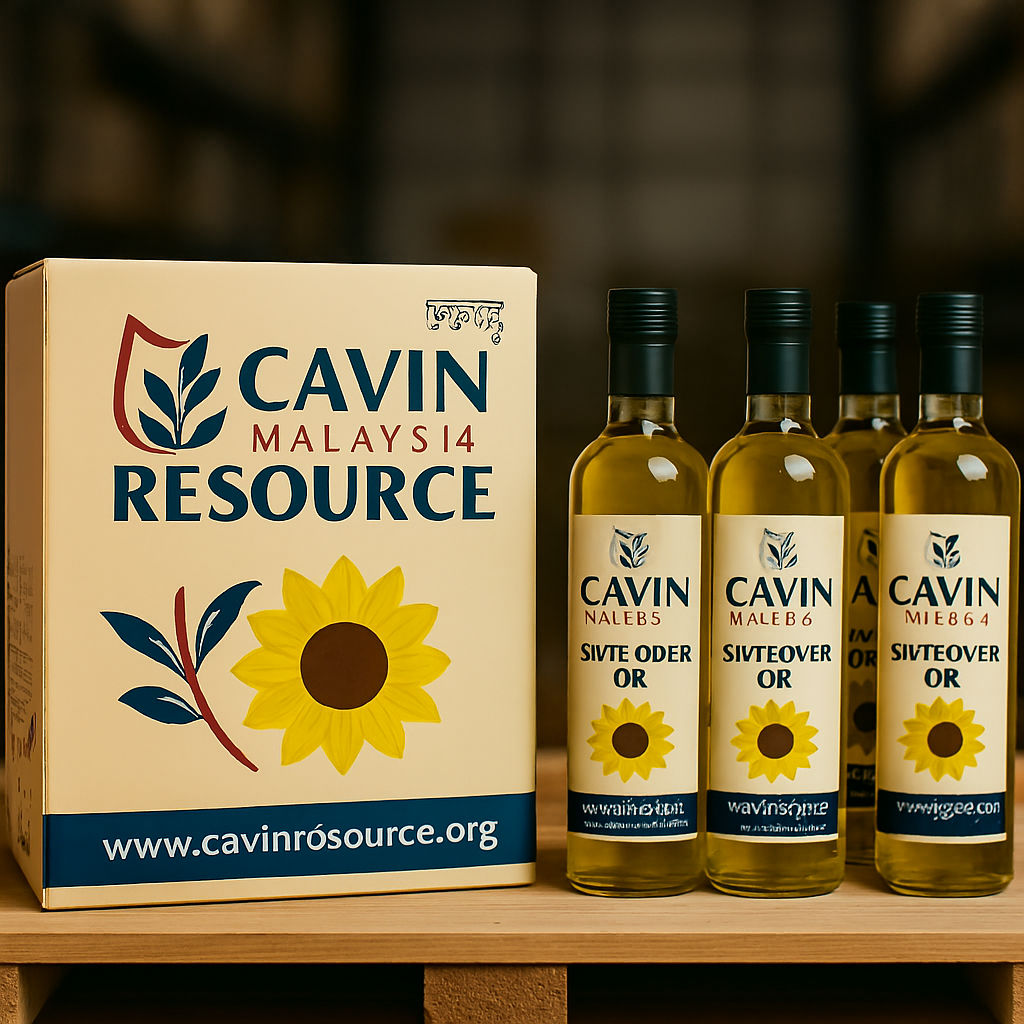
One of the Most Common Commodity Oils, With an Important Split
Refined sunflower oil is a global commodity staple, but buyers should be aware it comes in meaningfully different variants — primarily standard (high-linoleic) and high-oleic types — with different performance characteristics.
Standard (High-Linoleic) Sunflower Oil
Standard sunflower oil, higher in polyunsaturated linoleic acid, offers a light, neutral flavor suited to general cooking and food manufacturing, though with somewhat lower oxidative stability than the high-oleic alternative.
High-Oleic Sunflower Oil
High-oleic sunflower oil, bred for elevated monounsaturated fat content, offers improved oxidative stability and higher smoke point, making it increasingly favored for frying applications and products requiring longer shelf life.
Why the Distinction Affects Sourcing Decisions
Because the two types perform differently in frying, shelf life and labeling (some markets treat high-oleic oils differently for certain nutritional claims), confirming which type is being quoted matters more than it might seem for what looks like a single commodity product.
Sourcing Checklist
- Confirm explicitly whether standard or high-oleic sunflower oil is being supplied
- Request fatty acid profile documentation for the specific batch
- Clarify smoke point and stability data relevant to your application
- Ask about current market pricing differences between the two types
Contact our team for current sunflower oil availability, both standard and high-oleic, and bulk pricing.

