
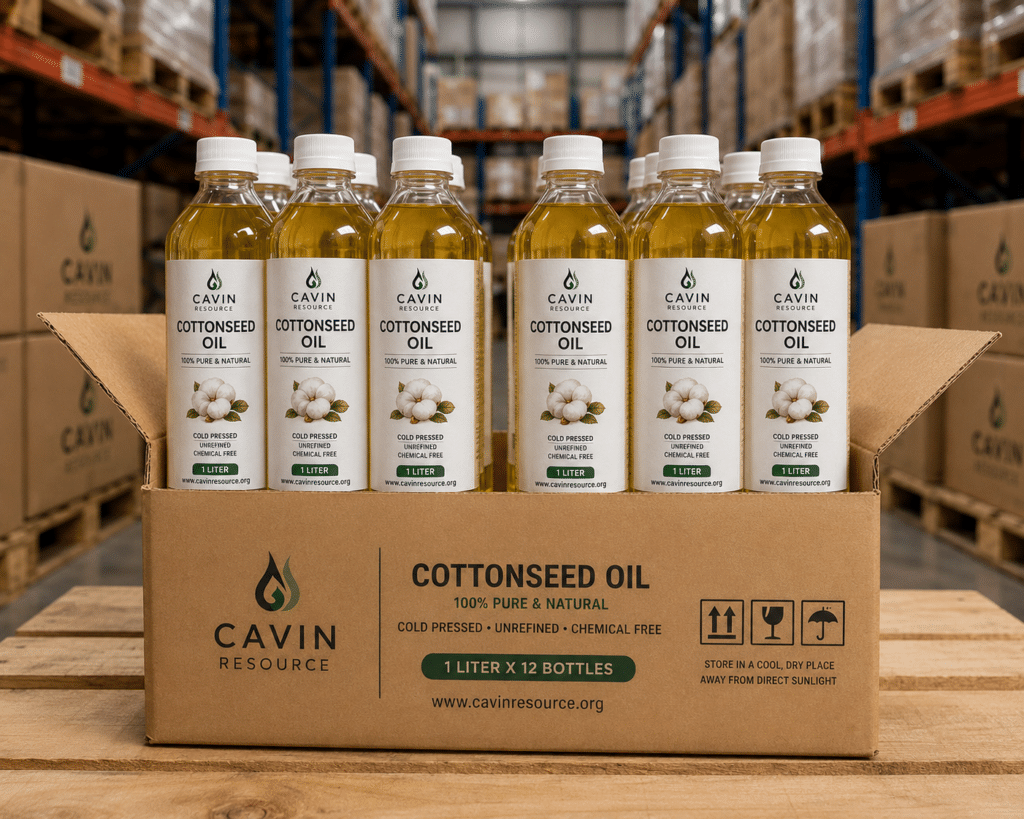
Refining Isn’t Optional Here
Unlike many vegetable oils where refining is primarily about flavor and shelf life, cottonseed oil refining serves a food safety function as well. Crude cottonseed oil contains gossypol, a naturally occurring compound that’s toxic at sufficient levels, and proper refining is what reduces it to safe levels for food use.
Why This Matters for Buyers
Because gossypol reduction is safety-critical rather than purely a quality preference, buyers sourcing cottonseed oil for food applications should treat refining documentation as non-negotiable, not just a nice-to-have quality data point.
What Properly Refined Cottonseed Oil Offers
Once properly refined, cottonseed oil is valued for a relatively neutral flavor, good stability, and a fatty acid profile that performs well in frying and general food manufacturing applications, including baked goods and snack foods.
Documentation to Require
A current Certificate of Analysis confirming gossypol levels are within accepted food-safety limits should be considered a baseline requirement, not an optional extra, for any cottonseed oil purchased for food use.
Sourcing Checklist
- Require COA data specifically confirming gossypol content is within food-safety limits
- Confirm refining process and facility credentials
- Request documentation of the oil’s intended use classification (food vs. industrial grade)
- Clarify packaging and storage recommendations for your volume
Contact our team for current cottonseed oil specifications, documentation and bulk pricing.

